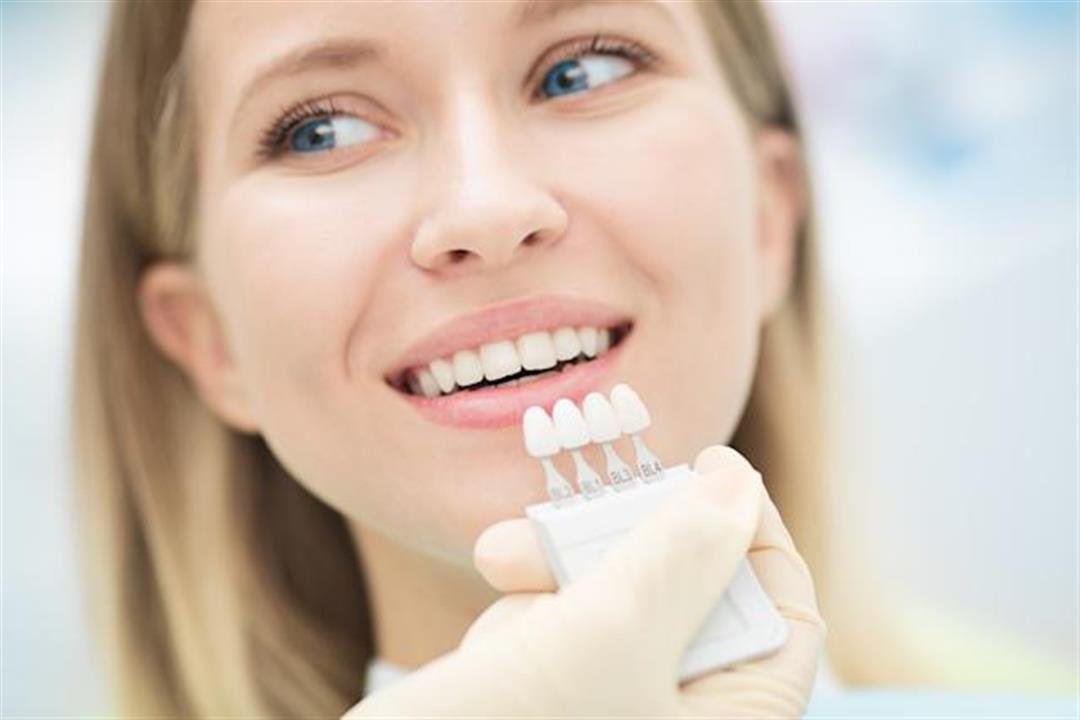
Discover the Benefits of Digital Dental Impressions in Istanbul
Imagine having your teeth recorded as a detailed 3D digital model without sitting through the traditional process of holding a tray full of impression material in your mouth. Instead of waiting for a physical mould to set, a dentist uses a small handheld scanner to capture images of your teeth and gums and display them on a computer screen.
That is the idea behind digital dental impressions in Istanbul.
Digital dental impressions, also known as intraoral scans or digital dental scans, are changing how many dental clinics plan restorative and cosmetic treatments. They allow dentists to capture three-dimensional information about the teeth and surrounding oral structures, review the images immediately and, where the clinical workflow supports it, send the digital files to a dental laboratory.
For international patients considering crowns, veneers, bridges, dental implants or clear aligners, this technology can make parts of the treatment process more convenient. It can also help patients understand their dental condition by allowing them to see a digital representation of their teeth.
But are digital impressions always more accurate than traditional ones? Does every dental clinic in Istanbul use an intraoral scanner? How much does the technology cost, and is the scan included in your treatment package?
This guide answers those questions and explains what you should know before choosing a digital dental clinic in Turkey.
At Dr Wahid Kathuda Dental Guide, we help international patients explore dental clinics, dentists, treatment technologies and available dental packages in Turkey. Our aim is to make your research clearer by explaining the technology, highlighting important questions to ask and helping you compare treatment options before arranging a consultation.
Whether you are considering a single dental crown or a more extensive smile restoration, understanding digital impressions can help you make a better-informed decision.
1. What Are Digital Dental Impressions in Istanbul?
Impronta Digitale con Scanner intraorale | DOCLINIC Dental Care
Digital intra-oral impression — Mancini • MedPerio | Periodontics & Dental Implants in Montreal
Digital Intraoral Scanner Near Me in Whiteland, IN | Dr. Hess Dentistry
10
Digital dental impressions in Istanbul are created using an intraoral scanner that captures optical images of the teeth and selected surrounding oral structures. Specialised software combines these images to create a three-dimensional digital model.
This model can help the dentist and dental laboratory plan restorations such as crowns, bridges, veneers and certain implant-supported prostheses.
1.1. What Is a Digital Dental Impression?
A digital dental impression is an electronic representation of your teeth and the areas being recorded during a dental scan.
Unlike a traditional impression, which uses physical material to create a mould, a digital impression is captured optically.
The process generally involves:
- The dentist examines your teeth and determines which areas need to be recorded.
- A handheld intraoral scanner captures images inside your mouth.
- Software combines the images into a three-dimensional model.
- The dentist checks the model for missing or inaccurate information.
- The digital file is stored or transferred for the next stage of treatment.
The result is a digital record that can be used for suitable restorative, orthodontic and laboratory workflows.
1.2. What Is an Intraoral Scanner?
An intraoral scanner is a small electronic device designed to capture images of the inside of your mouth.
It usually has a handheld body and a scanning tip that the dentist moves over the teeth.
The scanner records a series of optical images, which software processes into a digital surface model.
How does an intraoral scanner work?
Although different scanners use different optical technologies, the general process is similar:
- The scanner illuminates or optically captures the tooth surfaces.
- Sensors record information from the visible surfaces.
- Software processes the captured images.
- The system combines the images into a digital model.
- The dentist checks the model and corrects incomplete areas when necessary.
The scanner does not simply take one photograph of your mouth. It builds a model from multiple captured images.
1.3. What Is a 3D Digital Dental Model?
Intraorale scanner van 3Shape | Corus Dental
A 3D dental model is a computer-generated representation of the scanned teeth and selected oral surfaces.
It allows the dentist to examine details such as:
- Tooth shape and visible contours.
- Relationships between neighbouring teeth.
- Dental arch form.
- Available space for selected restorations.
- Certain bite relationships when the appropriate records are captured.
The model can also be used as a reference during communication with a dental laboratory.
However, a digital model is not a complete diagnosis. It does not independently show everything beneath the gums or inside the teeth.
1.4. Digital Dental Impressions vs Digital Dental X-rays
These two technologies are sometimes confused, but they provide different types of information.
| Feature | Digital intraoral scan | Dental X-ray |
|---|---|---|
| Main purpose | Records visible surface geometry | Shows internal structures in an image |
| Technology | Optical scanning | X-ray radiation |
| Shows tooth shape | Yes, for scanned visible surfaces | Not as a detailed 3D surface model |
| Shows roots | No | Depending on the radiograph |
| Shows bone | No | Depending on the radiograph |
| Helps design restorations | Yes | Provides supporting diagnostic information |
| Uses ionising radiation | No | Yes |
A digital scan cannot replace an X-ray when the dentist needs to investigate roots, bone levels or hidden dental problems. Similarly, an X-ray cannot replace an accurate surface impression when a restoration requires detailed tooth geometry.
The two methods complement each other rather than competing.
1.5. Why Are Digital Dental Impressions Used in Modern Dentistry?
Digital impressions connect the clinical examination with computer-aided design and dental laboratory production.
They can help dentists:
- Review scanned tooth surfaces immediately.
- Identify incomplete scan areas.
- Transfer suitable records electronically.
- Plan selected restorations digitally.
- Maintain digital records for future reference.
- Communicate more easily with compatible dental laboratories.
The value comes from the complete clinical workflow, not simply owning a scanner.
2. How Does Digital Dental Impression Technology Work?
Intraoral Dental Scanners | Dentsply Sirona UK
A digital dental scan is usually straightforward for the patient. The dentist moves the scanner over the teeth while the software displays the captured areas on a screen.
The quality of the final digital impression depends on the scanner, scanning technique, clinical conditions and the dentist’s ability to recognise incomplete or distorted information.
2.1. The Digital Dental Scanning Process: Step by Step
Step 1 – Examining the teeth and oral condition
Before scanning, the dentist examines your teeth and gums and confirms which areas need to be recorded.
For example, a crown preparation requires different information from a scan used to plan clear aligners.
Step 2 – Preparing the mouth for scanning
The dentist may clean the teeth and manage saliva or moisture around the areas being recorded.
Good visibility is important because fluid, debris and soft-tissue movement can interfere with image capture.
Step 3 – Using the handheld intraoral scanner
The dentist places the scanner tip inside your mouth and moves it across the required surfaces.
The scanning sequence depends on the scanner system and clinical purpose.
Step 4 – Capturing individual teeth and dental arches
The scanner records a series of overlapping images.
The software combines them to create a model of the required teeth and surrounding surfaces.
Step 5 – Creating a real-time 3D digital image
The developing model appears on the computer screen.
This allows the dentist to review the captured areas during the appointment.
Step 6 – Checking the scan for missing information
The dentist checks whether important areas have been recorded clearly.
If a section is incomplete, it may be possible to scan that area again rather than repeating the entire process.
Step 7 – Saving and transferring the digital impression
Once checked, the digital impression can be saved in the clinic’s system.
Depending on the software and laboratory workflow, it may be exported or transferred for restorative design and production.
2.2. How Does the Scanner Capture Dental Images?
Most modern intraoral scanners use optical technologies to record surface information.
Different manufacturers use different approaches, including systems based on optical imaging, confocal techniques or other forms of three-dimensional image acquisition.
The software then processes the images and combines them into a coherent digital surface model.
2.3. How Long Does Digital Dental Scanning Take?
There is no fixed duration for every patient.
A limited scan may take only a few minutes, while scanning both dental arches and recording the bite can take longer.
| Scanning task | What affects the duration? |
|---|---|
| One tooth | Tooth location and required detail |
| Several adjacent teeth | Number of surfaces and clinical complexity |
| One dental arch | Arch size and scan quality |
| Upper and lower arches | Number of surfaces and bite records |
| Full-mouth restorative records | Number of restorations and additional records |
The dentist should allow enough time to obtain a reliable scan rather than rushing to finish.
2.4. Can a Digital Dental Impression Be Repeated?
Yes. One practical advantage of digital scanning is that an incomplete area can often be rescanned.
For example, if the dentist notices missing information around a prepared tooth, they may capture that area again.
However, some problems require more extensive rescanning or a new impression. The decision depends on the quality of the existing data and the requirements of the restoration.
3. Digital Dental Impressions vs Traditional Dental Impressions
Types of Dental Impressions: A Simple Guide
Klinik M | Diş Kliniği Maltepe Küçükyalı İstanbul Galeri
BSA News Headline: Dental Impressions Taking Course | Verifiable Dental Nurse & Dentist CPD
8
For many years, dentists relied on physical impression materials to record the shape of teeth. The patient would bite into or hold an impression tray while the material set, creating a mould that could be sent to a dental laboratory.
Digital scanning offers another way to capture this information. Instead of creating a physical mould, the dentist records the visible tooth surfaces with an optical scanner.
Neither method is automatically right for every situation. The choice depends on the restoration, the condition of the mouth and the quality of the available workflow.
3.1. What Are Traditional Dental Impressions?
Traditional impressions use a material placed inside a dental tray. The tray is positioned around the teeth and held in place until the material sets.
Common materials include:
- Alginate: Often used for preliminary impressions, study models and selected removable appliance workflows.
- Silicone materials: Such as addition silicone, also known as polyvinyl siloxane (PVS), commonly used for detailed restorative impressions.
- Polyether: An elastomeric material used for selected precision impression procedures.
After removal, the impression is checked and may be sent to a laboratory, where a physical model can be produced.
3.2. Digital vs Traditional Dental Impressions: Main Differences
| Comparison | Digital impressions | Traditional impressions |
|---|---|---|
| Recording method | Optical intraoral scanner | Physical impression material |
| Main output | 3D digital model | Physical mould |
| Patient experience | Often more comfortable | Tray and material may feel bulky |
| Immediate review | Yes, on screen | Requires physical inspection |
| Correcting missing areas | Often possible by rescanning | May require another impression |
| Laboratory transfer | Electronic file, if compatible | Physical impression or model |
| Storage | Digital record | Physical storage or digitisation |
| Clinical suitability | Depends on scanner and case | Suitable for many established workflows |
| Full-arch implant work | Requires careful case selection | May be preferred in certain complex cases |
3.3. Advantages of Digital Dental Impressions
Digital scanning can offer several practical benefits.
Greater comfort for many patients: There is no conventional impression tray filled with setting material. This can be helpful if you dislike the sensation of traditional impressions.
Immediate visualisation: The dentist can review the developing model and identify areas that need additional scanning.
Convenient file transfer: Digital files can be sent to compatible dental laboratories without transporting a physical impression.
Easier record management: Digital models can be stored and retrieved for future reference, subject to the clinic’s data policies.
Integration with CAD/CAM: A suitable scan can form the starting point for computer-aided design and manufacturing of selected restorations.
3.4. Disadvantages of Digital Dental Impressions
Digital impressions are useful, but they are not flawless.
Potential limitations include:
- Equipment and software costs.
- The need for staff training.
- Difficulty recording certain deep preparation margins.
- Challenges caused by saliva, blood or moving soft tissues.
- Possible image stitching errors across extensive scans.
- Compatibility issues between different software systems.
- Limitations in some complex full-arch implant situations.
A modern scanner does not automatically guarantee a perfect impression. The dentist must still assess whether the captured information is complete and suitable for the intended restoration.
3.5. Which Impression Method Is More Accurate?
This is one of the most important questions for patients.
Research does not support a simple statement that digital impressions are always more accurate than conventional impressions.
A 2025 systematic review and meta-analysis of full-arch intraoral scans found contradictory results, although many studies reported clinically acceptable performance for digital impressions. PubMed Central (PMC)+1
A separate 2024 review of full-arch implant-supported prostheses found that some studies favoured digital techniques, others favoured conventional impressions, and some found comparable results. Nature+1
The practical conclusion is straightforward: accuracy depends on the clinical situation, not just the impression method.
What is trueness?
Trueness describes how closely a scan or impression represents the actual shape of the object being recorded.
What is precision?
Precision describes how consistently repeated scans or measurements reproduce similar results.
Both matter when designing a restoration that needs to fit accurately.
When might traditional impressions still be preferable?
A dentist may consider conventional impressions when:
- The preparation margin is difficult to capture optically.
- Moisture or bleeding prevents a clear scan.
- The clinical case requires a technique with more predictable results in that situation.
- A particular laboratory workflow or restoration requires a physical impression.
- The case involves complex implant geometry where another recording method may be more appropriate.
The correct choice should be explained to you before treatment.
4. Seven Benefits of Digital Dental Impressions for Patients
5 things to know about the iTero Element™ 5D Scanner | Invisalign
Digital impressions are not just about replacing an old-fashioned tray with a small camera. They can change how patients and dentists communicate, plan and coordinate certain treatments.
4.1. More Comfortable Dental Appointments
Many patients dislike the feeling of impression material filling their mouth.
The tray may feel bulky, and some people experience nausea or a gag reflex while it is in place.
Intraoral scanning avoids that conventional material-based process. A systematic review of patient-related outcomes found that patients generally preferred intraoral scanning and reported less discomfort and nausea than with conventional impression procedures. PubMed
4.2. A Helpful Option for Patients With a Strong Gag Reflex
A strong gag reflex can make traditional impressions difficult.
Because an intraoral scanner uses a small scanning tip rather than a full impression tray, some patients find the experience easier.
However, the scanner still needs to enter the mouth and reach the required surfaces. Patients with severe sensitivity should discuss their concerns with the dentist beforehand.
4.3. Immediate Digital Visualisation
One of the most useful features is the ability to view the developing scan on a screen.
You can see a three-dimensional representation of your teeth and ask the dentist to explain areas relevant to your proposed treatment.
This can make consultations more interactive and help you understand why a particular restoration is being recommended.
4.4. Easier Communication With Dental Laboratories
Once the scan has been checked, a compatible digital file can be transferred to a dental laboratory.
This may reduce the need to transport a physical impression and can help the dentist and technician communicate about the restoration.
The benefit depends on compatible software, file quality and the laboratory’s workflow.
4.5. Better Integration With Digital Treatment Planning
Digital impressions can be combined with other dental records for selected procedures.
For example, a dentist may use a scan alongside photographs, radiographs or CBCT information when planning a complex restoration or implant treatment.
These records provide different types of information and should be interpreted together where clinically appropriate.
4.6. Convenient Digital Storage
A digital model can be saved for future reference.
If you return for another restoration, the dentist may be able to compare the current scan with an earlier record, provided the file is available and suitable for that purpose.
A stored scan does not replace regular examinations, but it can be a useful part of your dental history.
4.7. Potentially More Efficient Treatment Workflows
Digital scanning can reduce certain manual steps, particularly when it is integrated with CAD/CAM systems and a responsive dental laboratory.
It may shorten some stages of the restorative process, but it does not mean every crown, veneer or implant restoration can be completed in one visit.
The clinical work, laboratory production, material processing and required checks still take time.
5. Dental Treatments That Use Digital Dental Impressions in Istanbul
SHINING 3D Digital Dentistry Workflow for Dental Clinics
Do’s and Don’ts of Intraoral Scanning for Implant Restorations (1 CEU)
Sonrisa Renovada: Caso de Éxito con Carillas Dentales | Álvaro Fajardo Gallardo
15
Digital dental impressions can support several branches of dentistry. The type of scan and the information required vary according to the treatment.
5.1. Digital Impressions for Dental Crowns
A dental crown covers a damaged or prepared tooth to restore its shape, function and appearance.
During a digital crown workflow, the dentist may scan:
- The prepared tooth.
- The neighbouring teeth.
- The opposing dental arch.
- The bite relationship.
The digital model can then be used to design a crown with appropriate contours and contact points.
Digital impressions for zirconia crowns
Zirconia crowns are made from a ceramic material used in restorative dentistry.
A digital impression can provide the surface information needed for a compatible CAD/CAM workflow.
Digital impressions for E-max crowns
E-max restorations are made from lithium disilicate ceramic. A suitable digital scan can be used to design selected restorations made from this material.
Digital impressions for ceramic crowns
Digital workflows can also support other ceramic crown systems, depending on the material and production process.
5.2. Digital Impressions for Dental Bridges
A dental bridge replaces one or more missing teeth by using supporting teeth or implants, depending on its design.
Digital impressions may record the supporting teeth, the gap and the opposing bite.
The dentist must ensure that the scan captures the required margins and relationships accurately.
Longer or more complex bridges may require additional records or a different impression technique.
5.3. Digital Impressions for Dental Veneers
Veneers are thin restorations designed to improve the visible surfaces of selected teeth.
Digital scans can help record tooth shape and preparation details for:
- Porcelain veneers.
- E-max veneers.
- Selected other ceramic veneers.
- Diagnostic and provisional restorations.
A scan may also be combined with photographs and smile-planning records to help discuss the proposed tooth proportions.
However, a digital model alone cannot guarantee the final appearance. Shade, translucency, facial features, gum levels and clinical assessment remain important.
5.4. Digital Impressions for Dental Implants
Implant dentistry uses digital records in several ways.
For a suitable implant restoration, the dentist may attach a component called a scan body to the implant. The scanner records its position and orientation so the laboratory can design a compatible restoration.
What is a digital implant impression?
It is a digital record used to capture the relationship between an implant and the surrounding oral structures.
What are implant scan bodies?
Scan bodies are components attached to implants during the scanning procedure. They provide reference information that helps software identify the implant’s position.
Digital impressions for implant crowns
A scan may record the implant scan body, neighbouring teeth and opposing arch to support the design of an implant crown.
Digital impressions for All-on-4 and All-on-6
Full-arch implant cases can require more advanced recording methods.
Depending on the case, the dentist may use intraoral scanning, photogrammetry, conventional impressions or a combination of techniques.
Do not assume that a standard intraoral scan is sufficient for every full-arch implant case. Accuracy and passive fit are particularly important when several implants support one restoration.
A 2025 systematic review comparing photogrammetry and intraoral scanning for complete-arch implant impressions found that photogrammetry performed better in many of the included studies, although the authors highlighted the need for further clinical research. PubMed+1
5.5. Digital Impressions for Clear Aligners
Clear aligner treatment uses a series of removable transparent trays to move teeth gradually.
Digital dental scans can provide a three-dimensional record for orthodontic assessment and treatment planning.
They may be used to:
- Record the initial tooth positions.
- Create a digital dental model.
- Support aligner design.
- Compare tooth positions at different stages.
- Plan additional aligner refinements when required.
An intraoral scan is only one part of orthodontic assessment. The dentist must also evaluate your bite, gums, jaw relationship and overall oral health.
5.6. Digital Impressions for Dentures
Digital technology is increasingly used in removable prosthodontics.
It can support selected workflows for:
- Partial dentures.
- Complete dentures.
- Implant-supported dentures.
- Digital design of denture components.
However, conventional impressions may still be important for recording functional soft-tissue borders and other details required for certain complete denture cases.
5.7. Digital Impressions for Inlays and Onlays
Inlays and onlays restore damaged parts of a tooth without necessarily covering the entire tooth like a crown.
A digital scan can record the prepared area and neighbouring surfaces for compatible CAD/CAM production.
5.8. Digital Impressions for Full Mouth Rehabilitation
Full-mouth rehabilitation involves restoring multiple teeth and may require detailed records of both arches and their relationship.
Digital impressions can support the planning process, but the dentist may also need:
- Clinical photographs.
- Bite records.
- Radiographs.
- CBCT imaging when indicated.
- Diagnostic models.
- Periodontal assessment.
A complete treatment plan should combine these records rather than relying on one digital scan.
6. Types of Intraoral Scanners Used in Modern Dentistry
Primescan 2 vs. TRIOS 5, Medit i900 & CEREC Primescan
instituteofdigitaldentistry.com
Not all intraoral scanners are identical. Manufacturers use different optical systems, software platforms and workflows.
A patient does not need to memorise every technical specification, but understanding the main scanner brands can help when comparing clinics.
6.1. Optical Intraoral Scanners
Optical scanners capture visible surface information using light and imaging sensors.
Software combines the captured images into a digital model.
The exact technology varies between manufacturers and scanner generations.
6.2. Popular Intraoral Scanner Brands
The following are established scanner systems used in digital dentistry internationally. Their inclusion does not mean that every Istanbul clinic has them.
| Scanner brand or system | Manufacturer | Common areas of use |
|---|---|---|
| TRIOS | 3Shape | Restorative, prosthodontic and orthodontic workflows |
| Medit | Medit | Digital impressions and restorative workflows |
| iTero | Align Technology | Orthodontic and restorative applications |
| Primescan | Dentsply Sirona | Restorative and CAD/CAM workflows |
| Carestream CS series | Carestream Dental | Digital impressions and restorative applications |
| Planmeca scanners | Planmeca | Restorative, orthodontic and digital workflows |
6.3. 3Shape TRIOS Scanners
TRIOS is a family of intraoral scanning systems developed by 3Shape.
The scanners are designed to capture digital impressions for compatible restorative and orthodontic workflows.
Patients considering a clinic using TRIOS should ask which model is available and how it will be used in their proposed treatment.
6.4. Medit Intraoral Scanners
Medit offers intraoral scanning systems and software used in digital dental workflows.
Depending on the scanner and software configuration, digital files can support restorative planning and communication with compatible laboratories.
6.5. iTero Scanners
iTero scanners are associated with Align Technology and are widely used in orthodontic workflows, including clear aligner planning.
They may also support selected restorative applications.
6.6. CEREC Primescan
Primescan is an intraoral scanner from Dentsply Sirona and can be integrated into compatible CEREC and digital restorative workflows.
The manufacturer describes its use in digital impression capture and connected CAD/CAM processes.
6.7. Carestream and Planmeca Scanners
Carestream Dental and Planmeca also offer intraoral scanning solutions.
Planmeca describes workflows that support common digital file formats such as STL and PLY, allowing compatible digital collaboration with laboratories and other systems. Dentsply Sirona Global+2
6.8. Does the Scanner Brand Guarantee Better Treatment?
No.
The brand name is only one consideration.
You should also ask:
- Is the scanner appropriate for your treatment?
- Is it maintained and updated?
- Does the dentist know how to use it effectively?
- Can the clinic transfer files to its laboratory?
- Does the clinic check the scan before producing the restoration?
A well-managed clinical workflow matters more than a promotional list of equipment.
7. How Accurate Are Digital Dental Impressions?
Accuracy is central to digital dentistry because the scan may determine the design of a crown, veneer, bridge or implant-supported restoration.
7.1. Factors That Affect Digital Scan Accuracy
Several factors influence the quality of an intraoral scan.
| Factor | Why it matters |
|---|---|
| Scanner model | Different systems have different capabilities |
| Scanning technique | The path and sequence affect image capture |
| Operator experience | Helps manage difficult areas and incomplete data |
| Saliva and moisture | Can interfere with clear surface recording |
| Patient movement | May affect image capture |
| Tooth position | Difficult-to-reach areas may be harder to scan |
| Preparation margins | Deep or hidden margins can be challenging |
| Software processing | Image alignment and reconstruction affect the model |
7.2. Are Digital Impressions Accurate for Single Crowns?
Digital impressions are widely used for suitable single-unit restorations.
The dentist needs a clear record of the prepared tooth, the restoration margins and the relationship with neighbouring and opposing teeth.
If the margins are not visible, the dentist may need to improve access, manage the gum tissue or use another impression method.
7.3. Are Digital Impressions Accurate for Full Dental Arches?
Full-arch scanning is more challenging than recording a single tooth.
The scanner must combine many images across a larger area. Small alignment errors may accumulate during this process.
This is particularly important when several implants support one connected restoration.
7.4. Can a Digital Dental Scan Contain Errors?
Yes. Possible issues include:
- Missing surface information.
- Incomplete scan margins.
- Image stitching errors.
- Incorrect bite registration.
- Distorted areas.
- Poorly recorded implant scan bodies.
The dentist should inspect the final model before using it for laboratory production.
7.5. How Are Digital Scan Errors Corrected?
Depending on the problem, the dentist may:
- Review the affected section.
- Identify missing or distorted information.
- Rescan the relevant area.
- Recheck the relationship with neighbouring surfaces.
- Verify the final digital model before transferring it.
If the scan remains unsuitable, a new scan or a conventional impression may be necessary.
8. What Happens During a Digital Dental Scanning Appointment in Istanbul?
DS Core : Plateforme unique adaptée aux besoins des cabinets dentaires | Dentsply Sirona FR
If you have never experienced digital scanning, there is usually no need to feel nervous. The process is non-invasive and generally does not require anaesthesia when it is being used simply to record tooth surfaces.
Your appointment may look slightly different depending on whether you need a crown, veneers, orthodontic treatment or implant restoration.
8.1. Before Your Digital Dental Scan
The dentist should first understand why the scan is needed.
During the consultation, they may:
- Ask about your dental concerns.
- Examine your teeth and gums.
- Review previous dental treatment.
- Check existing restorations.
- Take photographs or radiographs when necessary.
- Explain the areas that need to be scanned.
If you are travelling from another country, send previous dental records in advance if the clinic requests them. This can help the team prepare, although it does not replace an in-person examination.
8.2. During the Intraoral Scanning Appointment
The dentist or trained clinical team member will guide the scanner over the required surfaces.
You may be asked to:
- Open your mouth comfortably.
- Keep your tongue away from the scanning area.
- Follow instructions while the upper or lower arch is recorded.
- Bite gently when the dentist needs to record your bite.
- Remain still for short periods while difficult areas are captured.
The dentist can usually see the developing digital model on a monitor.
8.3. After the Digital Impression
Once the scan is complete, the dentist checks the model.
Depending on your treatment, the next steps may include:
- Sending the scan to a dental laboratory.
- Designing a crown or veneer.
- Planning an orthodontic appliance.
- Recording implant positions.
- Combining the scan with other diagnostic records.
- Arranging another appointment.
8.4. Does Digital Dental Scanning Hurt?
The scanning process itself is generally painless. The scanner records visible surfaces rather than drilling or cutting the teeth.
You may feel the scanner touching the teeth or soft tissues, and keeping your mouth open can become tiring during a longer appointment.
If your teeth are already sensitive or you have inflamed gums, tell the dentist before scanning.
8.5. How Should You Prepare for a Digital Dental Impression?
There is usually no complicated preparation.
A few simple steps can help:
- Brush your teeth before the appointment.
- Follow any instructions from the clinic.
- Tell the dentist about sensitive teeth or a strong gag reflex.
- Bring relevant dental records.
- Explain which treatment you are considering.
- Ask whether the clinic needs photographs or previous scans.
Do not stop medication or change your normal medical routine for a scan unless your treating clinician specifically advises you to do so.
9. Digital Dental Impressions Cost in Istanbul: Prices and Treatment Fees
One of the most frequently searched questions is: how much does a digital dental scan cost in Istanbul?
The important distinction is that an intraoral scan is often included in the price of the dental treatment rather than sold as a separate service.
For example, if you receive a crown, the clinic may include digital scanning as part of the restorative workflow. Another clinic may list diagnostic or scanning fees separately.
There is no reliable universal Istanbul price for a standalone intraoral scan, so it would be misleading to present one fixed amount as the market rate.
9.1. How Much Do Digital Dental Impressions Cost in Istanbul?
The cost depends on what the clinic is actually providing.
| Service | How pricing is usually determined |
|---|---|
| Initial consultation | Free or paid, depending on the clinic |
| Standalone digital scan | May be separately charged or included |
| Digital scan for a crown | Often included in the crown treatment quotation |
| Digital scan for veneers | Usually part of the restorative planning workflow |
| Implant digital impression | May be included in the implant restoration fee |
| Clear aligner scan | May be included in the orthodontic package |
| Full-mouth digital records | Depends on the number of records and treatment complexity |
9.2. Digital Dental Impression Prices According to Treatment
The following table explains what patients should ask about when comparing quotations.
| Dental treatment | Digital impression requirements | What to check in the quotation |
|---|---|---|
| Single crown | Prepared tooth and bite | Scan, crown material and fitting |
| Multiple crowns | Several prepared teeth and bite records | Number of crowns and laboratory fees |
| Veneers | Prepared and neighbouring teeth | Digital design and veneer material |
| Dental bridge | Supporting teeth and missing-tooth space | Bridge units and laboratory production |
| Implant crown | Implant scan body and surrounding teeth | Scan components and final restoration |
| All-on-4 / All-on-6 | Full-arch records and implant positions | Whether additional photogrammetry is required |
| Clear aligners | Upper and lower dental arches | Orthodontic planning and aligner package |
| Dentures | Suitable dental and soft-tissue records | Whether conventional impressions are also needed |
9.3. Digital Dental Impressions: Turkey vs Other Countries
Patients from the UK, Germany and Ireland often compare treatment prices before travelling to Turkey.
However, comparing a standalone scan fee in one country with a full crown package in another would not be meaningful.
The table below explains how digital impressions are commonly priced rather than inventing country-specific scan fees.
| Country | Typical pricing arrangement to investigate | What to compare |
|---|---|---|
| Turkey – Istanbul | Often bundled into the treatment quotation | Scan, crown or veneer, laboratory and follow-up |
| United Kingdom | May be included in private restorative treatment | Consultation, scan and restoration fee |
| Germany | Depends on the practice and treatment fee calculation | Diagnostic records and restorative fees |
| Ireland | Often included in a broader private treatment quotation | Scan, restoration and laboratory costs |
| United States | Depends on practice and insurance arrangements | Imaging, restorative and laboratory fees |
| Australia | Depends on provider and treatment type | Diagnostic and restorative fees |
There is no verified like-for-like national price for a standalone intraoral scan across these countries. Ask each clinic for an itemised quotation that separates diagnostic charges from the final restoration.
9.4. Does Digital Dentistry Increase the Cost of Treatment?
Digital dentistry requires investment in equipment, software, maintenance and staff training.
A clinic may also pay for digital laboratory services or compatible CAD/CAM manufacturing.
However, the scanner does not automatically make your treatment more expensive. In some workflows, digital records may reduce certain manual steps or laboratory handling costs.
The final price depends on the whole treatment process, not simply the scanner.
9.5. What Should Be Included in a Digital Dentistry Quotation?
Before accepting a treatment plan, check whether the quotation includes:
- Initial consultation.
- Clinical examination.
- Intraoral scanning.
- Additional diagnostic imaging, if required.
- Digital treatment planning.
- Laboratory production.
- Final restoration.
- Fitting and bite adjustment.
- Follow-up appointments.
- Any additional treatment needed before restoration.
If you are travelling to Istanbul, also clarify whether accommodation, airport transfers and patient coordination are included or charged separately.
10. Digital Dental Impressions in Istanbul for International Patients
Dentavita Dental Clinic, Istanbul – Turkey Travel Planner
Istanbul Neighbourhood Guide | Avacasa
Dr. Tunc Berge: Dentist | CV, Photos, Reviews & More
7
Istanbul attracts patients researching dental treatment from many countries. Digital technology can make some parts of cross-border dental care easier to coordinate, particularly when clinics can review records and communicate with laboratories electronically.
Still, digital scanning does not remove the need for proper clinical assessment or follow-up planning.
10.1. Why Do International Patients Consider Digital Dentistry in Istanbul?
Patients may be interested in Istanbul because of:
- A wide choice of dental providers.
- Access to different restorative and cosmetic treatments.
- Clinics offering digital scanning and CAD/CAM workflows.
- Multilingual patient coordination at some providers.
- The opportunity to combine treatment with a visit to the city.
The key is to assess the actual clinic and treating dentist rather than assuming every provider offers the same equipment or standard of care.
10.2. Digital Dental Impressions in Istanbul for UK Patients
If you are travelling from the UK, ask the clinic to explain its scanning and laboratory process before booking.
Useful questions include:
- Which intraoral scanner is used?
- Is the scan included in the treatment price?
- Can I receive a copy of my digital records?
- Who will design and manufacture my restoration?
- How will the clinic manage adjustments after I return home?
You should also consider how you will obtain routine dental care in the UK after treatment.
10.3. Digital Dental Impressions for German Patients
German patients should compare the complete treatment plan with local private dental options.
Ask for a written explanation of the proposed treatment, the material used, the number of visits and any additional costs.
If your scan will be sent to an external laboratory, ask how the clinic transfers and protects your personal dental information.
10.4. Digital Dental Impressions for Irish Patients
Patients travelling from Ireland should consider the same practical issues.
Digital scanning may help with communication and laboratory transfer, but it does not guarantee that every stage of treatment can be completed during one short visit.
For implant cases in particular, healing and restoration stages may require separate appointments.
10.5. Can a Digital Dental Impression Be Sent to a Laboratory Abroad?
In many compatible workflows, yes.
Dental scanning systems can export files in formats such as:
- STL: Commonly used to represent 3D surface geometry.
- PLY: Can store 3D geometry and additional colour information.
- OBJ: A 3D model format that may include surface and material information.
The laboratory must be able to work with the supplied format and the clinical information must be sufficient for the intended restoration.
The clinic should also explain how the file is transferred securely and who is authorised to access it.
10.6. How Long Should International Patients Stay in Istanbul?
There is no universal travel schedule.
A scan-only consultation may require much less time than a visit involving tooth preparation, laboratory production and final fitting.
| Treatment situation | Travel-planning consideration |
|---|---|
| Initial digital scan only | Usually a short clinical appointment |
| Scan and single crown | Allow time for preparation, production and fitting |
| Multiple veneers or crowns | May require several appointments |
| Clear aligner planning | Scan, assessment and treatment planning |
| Implant treatment | Often requires separate surgical and restorative stages |
| Full-mouth rehabilitation | May require a carefully staged treatment schedule |
Never book return flights based only on an advertised same-day treatment promise. Confirm the actual clinical schedule with the treating dentist.
11. Dental Clinics in Istanbul Offering Digital Dentistry: What to Research
Patients often search for the best digital dental clinic in Istanbul. There is no single clinic that is automatically best for every patient, and owning an intraoral scanner is not enough to establish clinical quality.
The following providers are examples worth researching because their available clinic information or service descriptions refer to digital dentistry, intraoral scanning or CAD/CAM workflows.
MosDent Dental Hospital in Turkey – reviews, Prices | Bookimed
MosDent Dental Hospital
Bahçelievler, Naci Kasım Sok. No:2/3, 34180 Bahçelievler/İstanbul, Türkiye
MosDent describes digital dentistry services involving intraoral scanning, 3D planning and CAD/CAM production. Ask which of these technologies will be used for your specific treatment.
Website: MosDent official website
Hôpital dentaire Esnan – Skyland à Istanbul, Turquie
Esnan Dental Clinics – Skyland
Sky Atrium, Huzur Mahallesi Azerbaycan Caddesi No:4D-D 4 Daire: 311-333-334-335-336-337-338-339-341-342, B – Kat3, 34415 Sarıyer/İstanbul, Türkiye
Esnan is a multidisciplinary dental clinic group. Its Skyland branch is described as having a technology-focused restorative and digital dentistry environment. Confirm the scanner model and digital workflow directly.
Website: Esnan official website
İstadental – Zahnklinik – Dental Clinic
Dikilitaş Mah. Hakkı Yeten Cad. No:10/C Selenium Plaza Kat:15, 34353 Beşiktaş/İstanbul, Türkiye
İstadental describes digital intraoral scanning and CAD/CAM laboratory workflows. Patients considering implant-supported restorations should ask which impression technique is recommended for their implant configuration.
Website: İstadental website
Omer Istanbul Dental Center Turkey in Istanbul – Reviews & Prices
Omer Istanbul Dental Clinic Turkey
Beşyol, Karadeniz Sk. No: 21, 34295 Küçükçekmece/İstanbul, Türkiye
The clinic’s available information describes 3Shape TRIOS intraoral scanning and 3D diagnostic technology. Confirm the current scanner model and whether the treating dentist uses it for your proposed restoration.
Website: Clinic website
About Us, Istanbul Dentist, Istanbul Dental Clinic
Dent Smile Dental Clinic
Mimar Sinan, Rumi Mehmet Paşa Sk. No:1, 34672 Üsküdar/İstanbul, Türkiye
DentSmile describes digital dentistry and CAD/CAM workflows, including CEREC-related restorative services. Ask whether an intraoral scan is included in your treatment plan.
Website: DentSmile website
Sonodent Oral and Dental Health Clinic
Bağdat Cd. No:226, Birgen İş Merkezi Kat:4 D:16 Çiftehavuzlar-Caddebostan, Caddebostan, 34728 Kadıköy/İstanbul, Türkiye
Sonodent’s available service information describes iTero scanning for clear aligner workflows and CEREC/CAD-CAM restorative technology. Confirm the current services and scanner availability.
Website: Sonodent website
Hakkımızda | Citydent İstanbul
Citydent Istanbul Dental Clinic
Harbiye, Cumhuriyet Cd. No:32 Kat:1, 34367 Şişli/İstanbul, Türkiye
CityDent describes an integrated restorative and laboratory workflow with CAD/CAM production. Ask whether your case will use an intraoral scan, a conventional impression or a combination.
Website: CityDent official website
4.8
4.9
4.9
4.9
4.9
4.9
4.9
Use two fingers to move the map
Use ctrl + scroll to zoom the map
MosDent Dental Hospital4.8•Dental clinicمفتوح
Esnan Dental Clinics – Skyland4.9•Dental clinicمفتوح
İstadental – Zahnklinik – Dental Clinic4.9•Dental clinicمفتوح
Omer Istanbul Dental Clinic Turkey4.9•Dental clinicمفتوح
Dent Smile Dental Clinic4.9•Dental clinicمفتوح
Sonodent Oral and Dental Health Clinic4.9•Dental clinicمفتوح
Citydent Istanbul Dental Clinic4.9•Dental clinicمفتوح
11.1. Which Dentists Should You Research?
When comparing clinics, look for the dentist who will actually assess and treat you.
For example, CityDent publishes information about its clinical team, including clinicians working in implant, restorative and prosthetic dentistry. Publicly listed names associated with the clinic include Dr Berkay Sakin and Dr Mehmet Çağlar.
However, a dentist’s name appearing in a clinic directory does not prove that they personally perform intraoral scanning or will be responsible for your case.
Before booking, ask the clinic to confirm:
- The treating dentist’s full name.
- Their relevant professional qualifications.
- Their experience with your proposed restoration.
- Who will perform the scan.
- Who will approve the digital model.
- Who will supervise the final restoration.
Do not select a dentist solely because a clinic advertises a particular scanner brand. Clinical judgement and the quality of the treatment plan remain essential.
11.2. How to Compare Digital Dental Clinics
| What to compare | Questions to ask |
|---|---|
| Scanner technology | Which scanner model do you use? |
| Clinical experience | Who will perform and review my scan? |
| Treatment suitability | Is digital scanning appropriate for my case? |
| Laboratory workflow | Is the restoration produced in-house or externally? |
| Digital records | Can I receive a copy of my scan? |
| Price | Is scanning included in the quotation? |
| Aftercare | Who will manage adjustments after treatment? |
| Communication | Can the treatment plan be explained in my language? |
These questions help you compare clinics based on their actual services rather than marketing claims.
12. Digital Dentistry in Istanbul: From Intraoral Scanning to CAD/CAM
Зуботехническая лаборатория в городе Москва, услуги зуботехнической лаборатории — ROOTT
3d tisk ve Studiu 32 | Studio 32: zubní ordinace Praha 10
12
An intraoral scanner is often the first step in a wider digital dental workflow.
After capturing the impression, compatible software can help the dentist or laboratory design a restoration. The restoration may then be produced using milling or 3D printing, depending on the material and the clinical application.
This is where CAD/CAM dentistry becomes important.
12.1. What Is CAD/CAM Dentistry?
CAD/CAM stands for:
- CAD – Computer-Aided Design: Software used to design a dental restoration.
- CAM – Computer-Aided Manufacturing: Technology used to produce the restoration from the digital design.
In a typical workflow, the dentist records the tooth using an intraoral scanner. The digital model is transferred into design software, where a crown, veneer or other restoration can be planned.
The design may then be sent to a milling machine or another compatible manufacturing system.
12.2. How Digital Scans Are Used to Design Dental Restorations
The workflow generally follows these stages:
- Digital capture: The dentist scans the prepared tooth and relevant surrounding areas.
- Model review: The scan is checked for missing or distorted information.
- Restoration design: The technician or dentist designs the restoration using CAD software.
- Production: The design is sent to compatible manufacturing equipment.
- Finishing: The restoration is processed, polished or characterised as required.
- Clinical fitting: The dentist checks the fit, contacts, bite and appearance before final placement.
12.3. What Is Digital Dental Milling?
CEREC – stomatologický robot – AGEL Stomatologické centrum
Dental milling uses computer-controlled cutting tools to shape a restoration from a block or disc of material.
It can be used for suitable:
- Ceramic crowns.
- Zirconia restorations.
- Inlays and onlays.
- Veneers.
- Other compatible dental components.
The selected material and restoration design determine which manufacturing process is appropriate.
12.4. What Is 3D Printing in Dentistry?
3D printing creates physical dental objects from digital designs by building them in layers.
It can be used for selected applications such as:
- Study models.
- Surgical guides.
- Temporary restorations.
- Denture components.
- Orthodontic models.
- Selected dental appliances.
3D printing and milling are not the same process. Milling removes material from a block, while 3D printing builds an object layer by layer.
12.5. Can Digital Dentistry Reduce Treatment Time?
It can reduce certain steps, particularly when the clinic has an integrated digital workflow.
For example, a suitable single crown may be designed and manufactured in-house, potentially allowing same-day treatment.
However, same-day dentistry is not suitable for every patient or every restoration.
The dentist must consider the clinical condition, material requirements, manufacturing process and time needed for proper checks.
12.6. What Is a Fully Digital Dental Workflow?
A fully digital workflow connects several stages:
1. Clinical examinationAssessment and treatment planning
2. Intraoral scanningCapture of digital dental impressions
3. Digital designCAD planning and restoration design
4. Digital productionCAM milling or suitable 3D printing
5. Clinical fittingChecking fit, bite, function and appearance
The workflow may involve an external laboratory rather than in-house production. What matters is that each stage is properly coordinated and the final restoration is clinically checked.
13. Limitations and Possible Problems With Digital Dental Impressions
Digital scanning offers real benefits, but responsible dental care means understanding where the technology has limitations.
13.1. Are Digital Impressions Suitable for Every Patient?
No. Some patients and clinical situations make optical scanning more difficult.
Examples include:
- Patients with very limited mouth opening.
- Areas that are difficult for the scanner to reach.
- Deep restoration margins.
- Extensive missing teeth.
- Complex implant-supported full-arch restorations.
- Cases where soft-tissue movement makes accurate recording difficult.
Your dentist should decide whether digital scanning is appropriate or whether a conventional technique would be more suitable.
13.2. Difficulties With Deep Tooth Preparation Margins
A crown preparation may have a margin that extends close to or below the gum line.
The scanner must capture this margin clearly for the laboratory to design an appropriate restoration.
If the margin is hidden by gum tissue, moisture or bleeding, the dentist may need to improve visibility before scanning.
In some situations, a conventional impression may be a better option.
13.3. Can Saliva Affect Digital Scanning?
Yes. Excessive moisture can interfere with image capture, especially around small or detailed areas.
The dental team may use suction, cotton rolls or other moisture-control techniques to improve visibility.
13.4. Can Digital Impressions Replace Traditional Impressions Completely?
No. Digital impressions are an important alternative, but conventional impression materials still have a place in dentistry.
The choice depends on:
- The restoration being made.
- The condition of the teeth and gums.
- The ability to access the required surfaces.
- The accuracy required.
- The equipment and expertise available.
- The laboratory workflow.
A good dentist uses the technique that best suits the clinical problem rather than insisting on one method for every patient.
13.5. What Happens if a Digital Dental Scan Is Inaccurate?
The dentist should not send an unsuitable scan for manufacturing simply because the scanning appointment is finished.
If the digital model is incomplete, the team may:
- Identify the missing area.
- Improve visibility or moisture control.
- Rescan the affected surface.
- Review the corrected model.
- Repeat the process if necessary.
If an acceptable scan cannot be obtained, another impression technique may be recommended.
13.6. Is Digital Dentistry Risk-Free?
The optical scanning process itself does not use ionising radiation.
However, digital impressions are part of a wider dental treatment process, which may involve other procedures and diagnostic imaging.
The main risks relate to inaccurate records, unsuitable treatment planning, poor restoration design or inadequate clinical checks—not simply the presence of a scanner.
14. Digital Dental Impressions and Patient Data Privacy
Digital dental models are personal health information. If you are sending photographs, scans or dental records to a clinic in Istanbul, you should understand how that information is handled.
14.1. How Are Digital Dental Impressions Stored?
A clinic may store scans on:
- Its local computer systems.
- Dedicated dental software.
- Secure cloud platforms.
- A compatible laboratory system.
The exact arrangement depends on the clinic’s technology and data management procedures.
14.2. Who Can Access Your Digital Dental Records?
Access may be required by:
- Your treating dentist.
- Authorised clinical staff.
- The dental laboratory producing your restoration.
- Other authorised healthcare professionals involved in your care.
Ask the clinic who can access your records and how files are shared.
14.3. Can You Request a Copy of Your Digital Dental Scan?
Ask whether the clinic can provide a copy of your scan and in which file format.
A copy may be useful if you later consult another dentist or need your dental records for follow-up treatment.
Not all software systems export files in the same way, so confirm compatibility if you intend to share the model with another provider.
14.4. How Should International Dental Records Be Protected?
Before sending information, check:
- Whether the clinic explains its privacy policy.
- Whether the transfer method is secure.
- Whether your consent is required for laboratory sharing.
- How long records are retained.
- How you can request access to your records.
For additional information about European data protection, consult the European Commission’s data protection guidance.
15. Frequently Asked Questions About Digital Dental Impressions in Istanbul
15.1. What Are Digital Dental Impressions?
Digital dental impressions are 3D electronic records of the visible surfaces of your teeth and selected oral structures. They are captured using an intraoral scanner and processed by specialised software.
15.2. How Do Digital Dental Impressions Work?
The dentist moves a handheld scanner over the teeth. The scanner captures optical images, and software combines them into a three-dimensional digital model.
15.3. What Is an Intraoral Scanner?
An intraoral scanner is a handheld optical device that records the shape of teeth and selected oral surfaces to create digital dental impressions.
15.4. Are Digital Dental Impressions Better Than Traditional Impressions?
They can be more comfortable and convenient for many patients. However, traditional impressions remain useful for certain clinical situations. The best method depends on the restoration and the patient’s condition.
15.5. Are Digital Dental Impressions Accurate?
They can provide clinically useful and accurate records for many treatments. Accuracy depends on the scanner, technique, operator, moisture control and clinical application.
15.6. How Long Does a Digital Dental Scan Take?
A limited scan may take only a few minutes. Scanning both arches, recording the bite or capturing a complex restorative case may take longer.
15.7. Are Digital Dental Impressions Painful?
The scanning process is generally painless. You may feel the scanner touching your teeth or soft tissues, but it does not normally require drilling or anaesthesia.
15.8. Can Digital Impressions Help Patients With a Gag Reflex?
Yes. Many patients find digital scanning easier because it does not require a conventional impression tray filled with setting material. However, the scanner still needs to enter the mouth, so the experience varies.
15.9. How Much Do Digital Dental Impressions Cost in Istanbul?
There is no single verified standard price. Many clinics include scanning in the cost of a crown, veneer, implant restoration or orthodontic package. Ask whether a separate diagnostic or scanning fee applies.
15.10. Are Digital Dental Impressions Included in Dental Treatment Prices?
Often, yes, but this depends on the clinic. Request an itemised quotation to see whether scanning is included or charged separately.
15.11. Which Intraoral Scanner Brands Are Used in Istanbul?
International scanner brands include 3Shape TRIOS, Medit, iTero, Dentsply Sirona Primescan, Carestream and Planmeca. Confirm which model your chosen clinic currently uses.
15.12. Can Digital Impressions Be Used for Dental Implants?
Yes. Digital scans can be used for selected implant restorations, often with implant scan bodies. Complex full-arch cases may require photogrammetry, conventional impressions or combined techniques.
15.13. Can Digital Impressions Be Used for Crowns and Veneers?
Yes. They are commonly used in suitable restorative workflows to record prepared teeth and surrounding surfaces for crown and veneer design.
15.14. Are Digital Dental Impressions Suitable for Full Mouth Implants?
They can be part of a full-arch implant workflow, but standard intraoral scanning may not be sufficient for every case. The dentist should determine whether photogrammetry or another technique is needed.
15.15. Can I Receive a Copy of My Digital Dental Scan?
You can ask the clinic whether it provides copies of digital dental records and which file formats are available.
15.16. Can My Digital Dental Impression Be Sent to Another Clinic?
In compatible formats, digital scans can often be shared with another dentist or laboratory. The receiving provider must be able to access and use the file.
15.17. Do All Dental Clinics in Istanbul Use Intraoral Scanners?
No. Some clinics use digital scanners, while others rely on traditional impressions or a combination of techniques. Always confirm the equipment and workflow before booking.
15.18. Can Digital Scanning Reduce the Number of Dental Visits?
It may reduce some steps in suitable cases, especially when integrated with in-house CAD/CAM production. It does not eliminate the need for additional appointments when treatment complexity or healing time requires them.
15.19. Is Digital Dentistry Available for International Patients?
Yes. Some Istanbul clinics provide digital scanning and restorative workflows for international patients. Confirm the services, communication arrangements and follow-up process directly.
15.20. What Should I Ask Before Booking a Digital Dental Scan in Istanbul?
Ask which scanner is used, who will perform the scan, whether it is included in the treatment price, which laboratory receives the file, whether you can obtain a copy and how follow-up care is arranged.
16. Final Verdict: Are Digital Dental Impressions in Istanbul Worth Considering?
Digital dental impressions in Istanbul can be a useful part of modern dental treatment, particularly when you need crowns, veneers, bridges, selected implant restorations or clear aligners.
They replace the conventional impression tray with an optical scanning process that creates a three-dimensional digital model. For many patients, this means a more comfortable appointment and a more convenient way for the dentist and laboratory to exchange information.
16.1. The Main Benefits of Digital Dental Impressions
| Benefit | Why it matters |
|---|---|
| Patient comfort | Avoids conventional impression material and trays |
| Immediate visualisation | Allows the dentist to review the model on screen |
| Digital transfer | Makes compatible laboratory communication easier |
| Record storage | Supports future reference and comparison |
| CAD/CAM integration | Supports digital restoration design and production |
| Flexible workflow | Can be used in selected restorative and orthodontic treatments |
16.2. What Should You Consider Before Choosing Digital Dentistry?
Do not choose a clinic simply because it advertises the newest scanner.
Instead, consider:
- The dentist’s qualifications and clinical experience.
- Whether the scanner is suitable for your treatment.
- How the digital model will be checked.
- The laboratory’s experience and workflow.
- Whether additional impressions or diagnostic records are required.
- The complete treatment price.
- The arrangements for follow-up care.
16.3. When Are Digital Dental Impressions Most Useful?
They are particularly useful in many suitable restorative and orthodontic workflows where accurate surface information is needed and the required areas can be scanned clearly.
For complex full-arch implant treatment, deep preparation margins or difficult soft-tissue conditions, the dentist may recommend an alternative or combined approach.
16.4. How to Find a Suitable Digital Dental Clinic in Istanbul
The best starting point is a clinical consultation.
Ask the dentist to explain the proposed scan, the treatment it supports and the steps that follow. Request a written treatment plan and an itemised quotation before making travel arrangements.
Remember, digital technology is a tool that supports dental expertise. It cannot replace a proper diagnosis, careful planning or appropriate clinical care.
Explore Digital Dental Technology and Treatment Options With Dr Wahid Kathuda Dental Guide
Choosing a dental clinic abroad can feel like navigating a maze of technologies, treatment names and promotional offers. Our goal is to help you understand what matters before you make that decision. Through the Dr Wahid Kathuda Dental Guide, international patients can explore dental clinics in Istanbul, research dentists, compare digital dentistry services and learn how intraoral scanning, CAD/CAM technology and modern restorative workflows may be used in their treatment. Whether you are considering dental crowns, porcelain veneers, implant-supported restorations or clear aligners, we help you investigate the available options and prepare the right questions for your consultation.
Always remember: at Dr Wahid Kathuda Dental Guide, we offer you guidance to explore the best clinics, doctors and dental packages in Turkey, with comprehensive price comparisons and special offers. We aim to make your dental journey more organised by helping you compare services, understand treatment costs and discover suitable options before travelling to Istanbul. The right decision starts with clear information, a qualified dentist and a treatment plan designed around your individual needs.
Free consultation
Interested in Digital Dentistry in Istanbul?
Tell us which dental treatment you are considering. We can help you explore clinics, digital scanning options and available treatment packages.
WhatsApp Consultation
+90 555 149 8799
Get Your Free Consultation on WhatsAppShare your dental concerns and the treatment you are considering. A final diagnosis and quotation require assessment by a qualified dentist.